
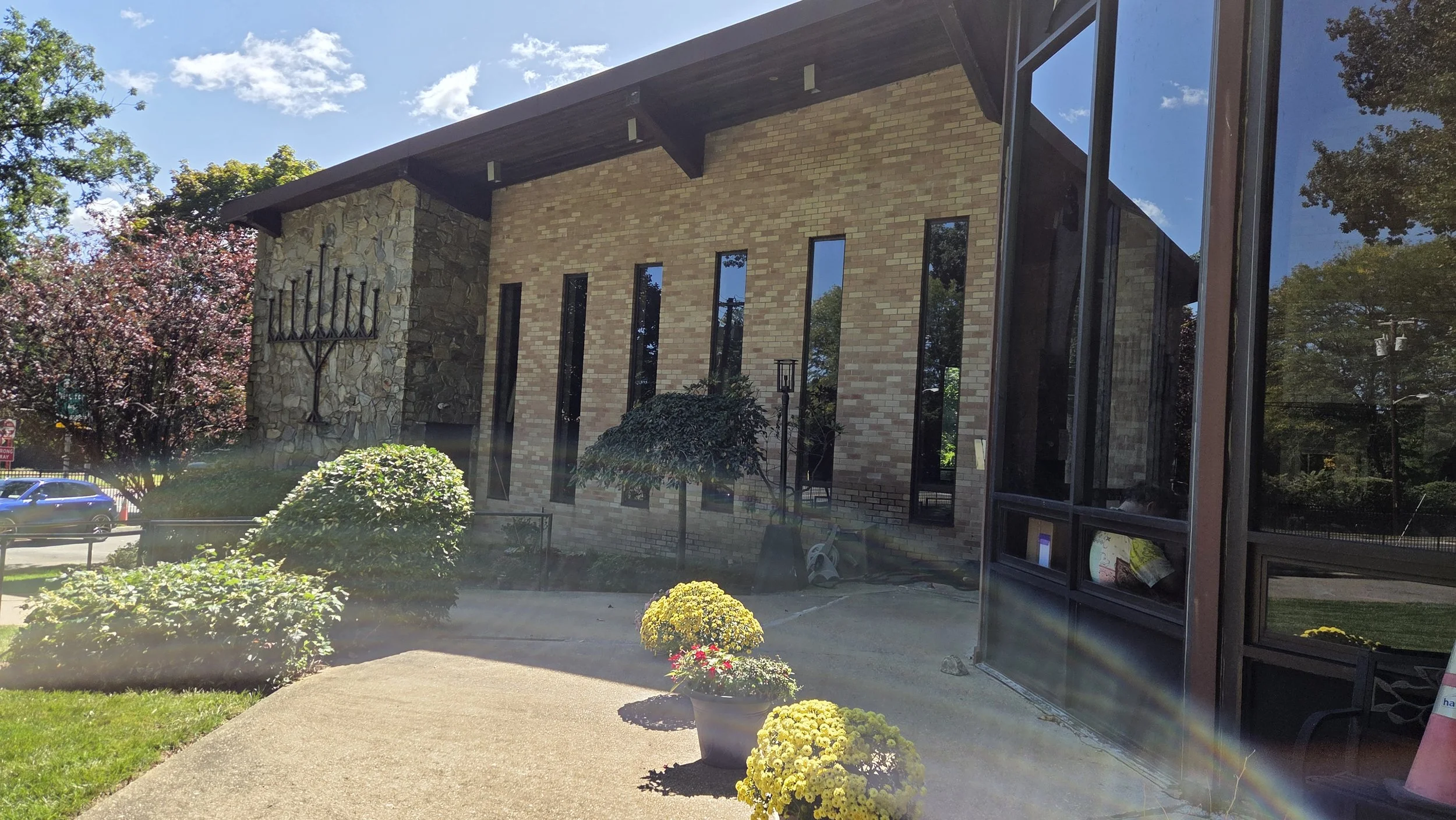
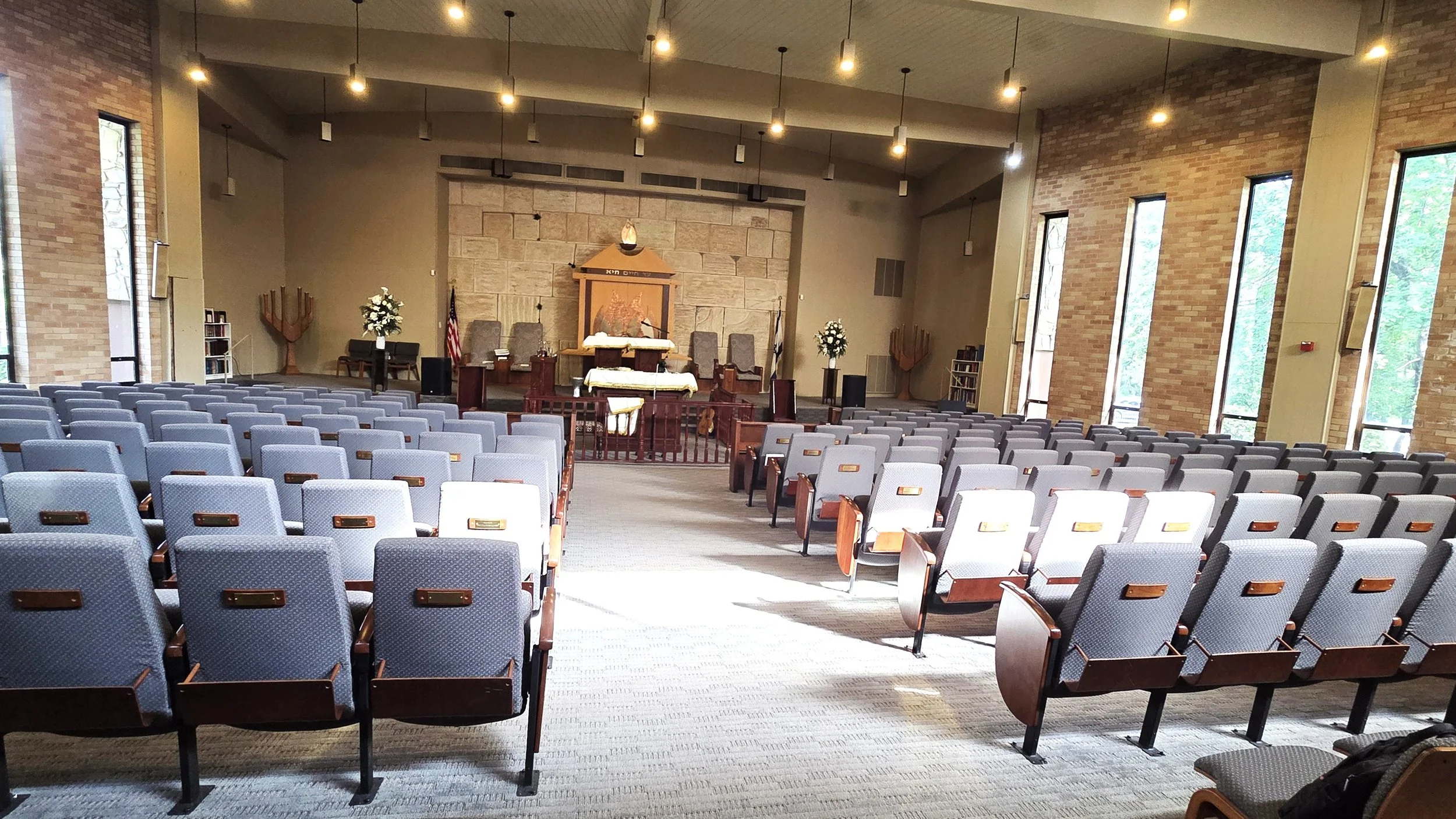
Welcome to Lake Success Jewish Center
An egalitarian conservative synagogue
Rabbi Shamash Blog
LSJC needs your support to expand and maintain the Shul. It. all begins with YOU. You can make all the difference
Please donate
CONTACT INFORMATION
Lake Success Jewish Center
354 Lakeville Road
Great Neck, NY 11020
Office: (516) 466-0569
Email: info@lakesuccessjc.org
The Year 2 portion begins with the dramatic account of the War of the Four Kings against the Five Kings, the rescue of Lot, and Avram's refusal to take even a shoe strap from the King of Sodom. It continues with the transformative Covenant Between the Pieces (בְּרִית בֵּין הַבְּתָרִים, Brit Bein HaBetarim), where Adonai promises descendants as numerous as the stars, and concludes with the personal struggles of Sarai and Hagar, culminating in an angelic encounter by a spring of water in the desert.
Entering the quiet month of Marcheshvan, we leave the festive celebrations behind and step forward into the ongoing rhythms of building, renewing, and sanctifying daily life.
The Year 2 portion opens as the floodwaters recede and Adonai commands Noach to lead his family and every living creature out of the shelter of the ark. The reading recounts the profound account of Noach offering thanksgiving, the divine blessing to renew the earth, the affirmation of the infinite sanctity of human life, the covenant of the rainbow (קֶשֶׁת בֶּעָנָן, keshet be'anan), and the vibrant branching outward of humanity through the generations.
The Year 2 triennial reading moves from the cosmic canvas of creation to the intimate drama of human relationship and moral choice. The text recounts the formation of humanity from the dust of the ground, the breath of life breathed into Adam, the planting of the Garden of Eden, the creation of Chava, the fateful eating from the Tree of Knowledge, the tragic confrontation between Kayin and Hevel, and the birth of Shet.
Every morning of חוֹל הַמּוֹעֵד, our sanctuary fills with the joyful melodies of הַלֵּל. And each time we reach the climax of Psalm 118, we recite those unforgettable words:
מֵאֵ֣ת יְ֭הוָה הָ֣יְתָה זֹּ֑את הִ֖יא נִפְלָ֣את בְּעֵינֵֽינוּ׃ "This emanates from God; it is astounding to our eyes."
Astounding. Not just fortunate timing, not simply favorable aerodynamics, but an unmistakable touch of the divine.
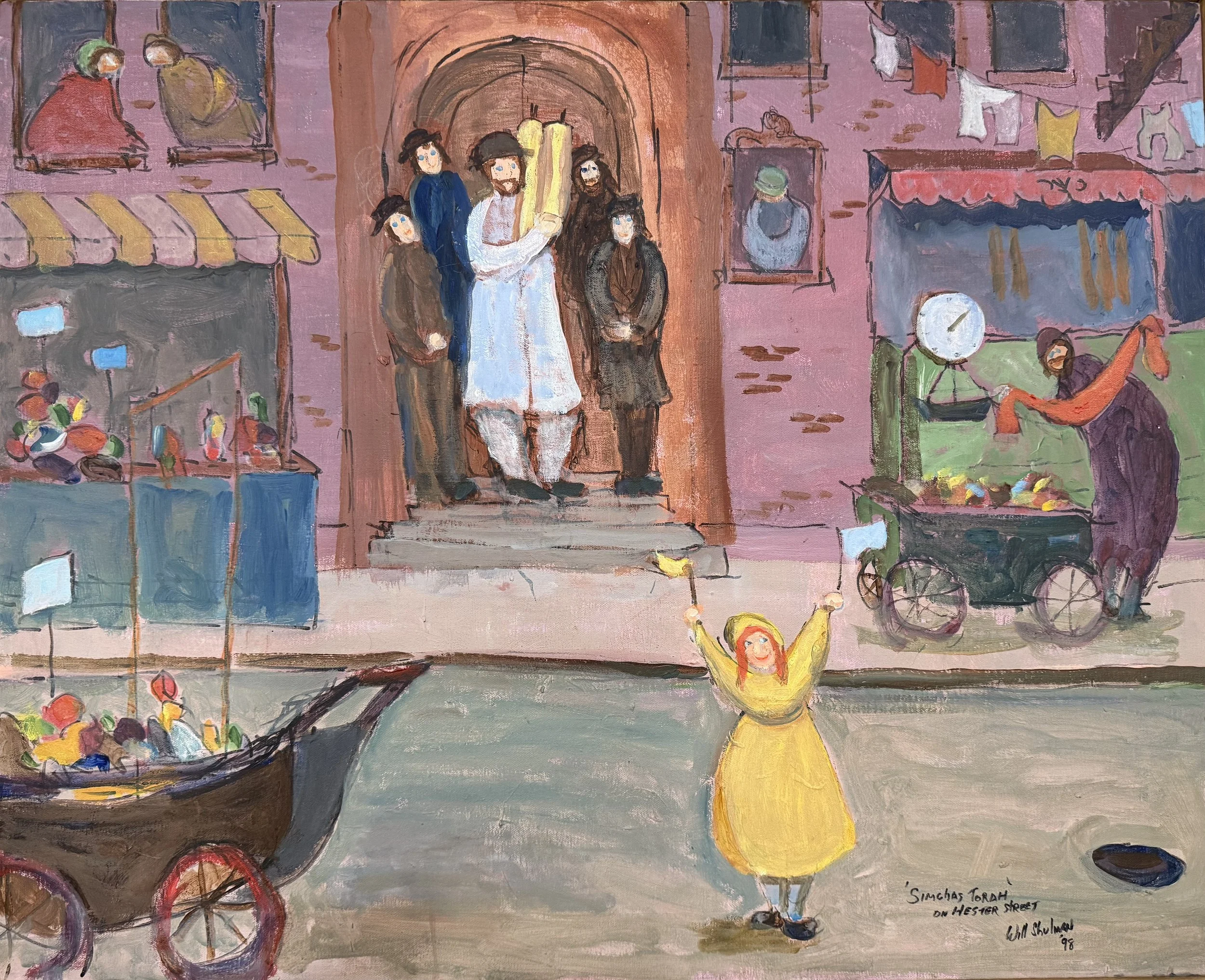
This week we celebrate the exuberant festival of שַׂמְחַת תּוֹרָה (Simchat Torah), bringing the month of Tishrei and the sacred festival season to its joyful summit. In celebrating the completion and immediate restart of the annual cycle of reading the Torah, our sanctuaries fill with dancing, song, and unconditional gratitude.
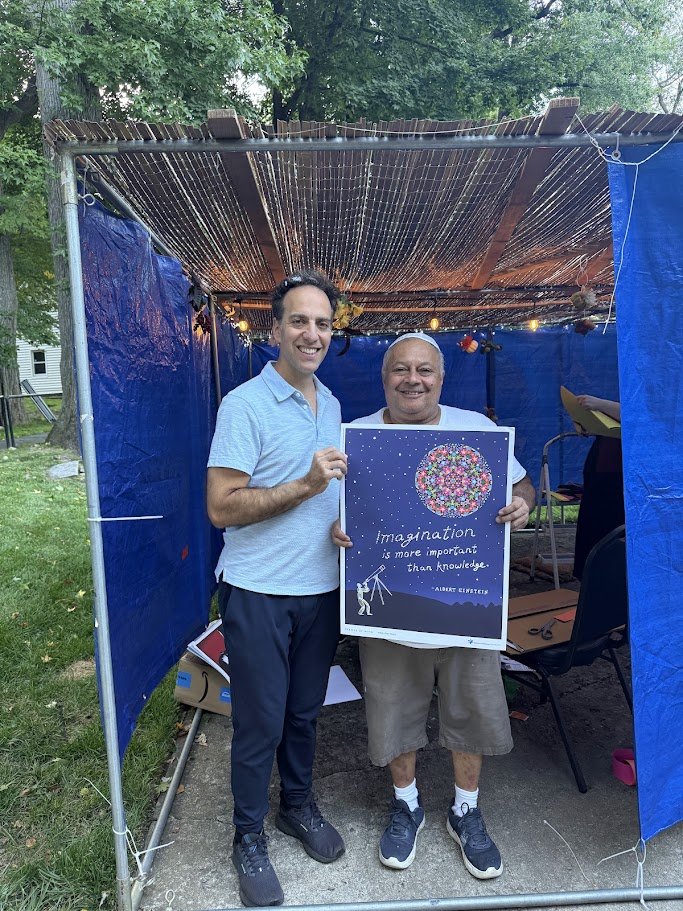
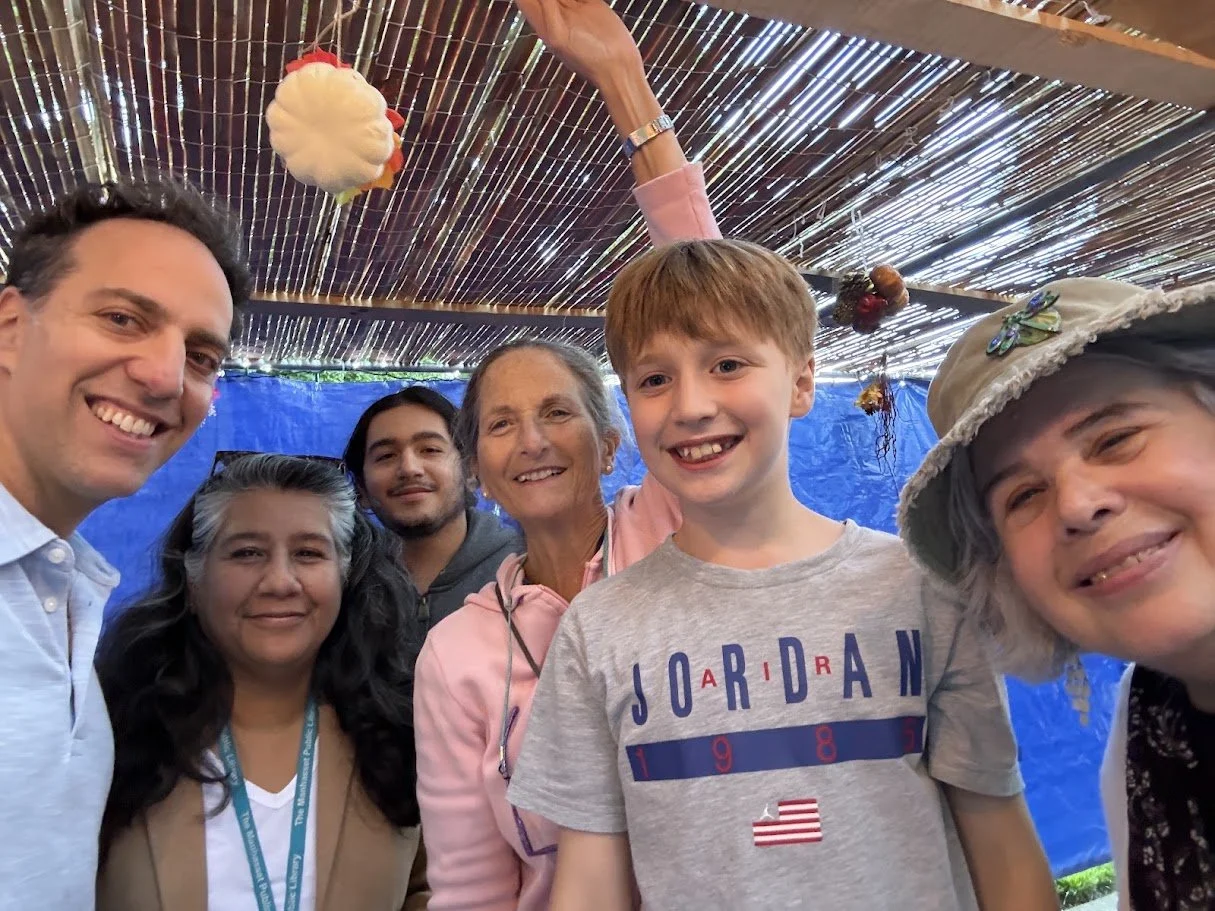
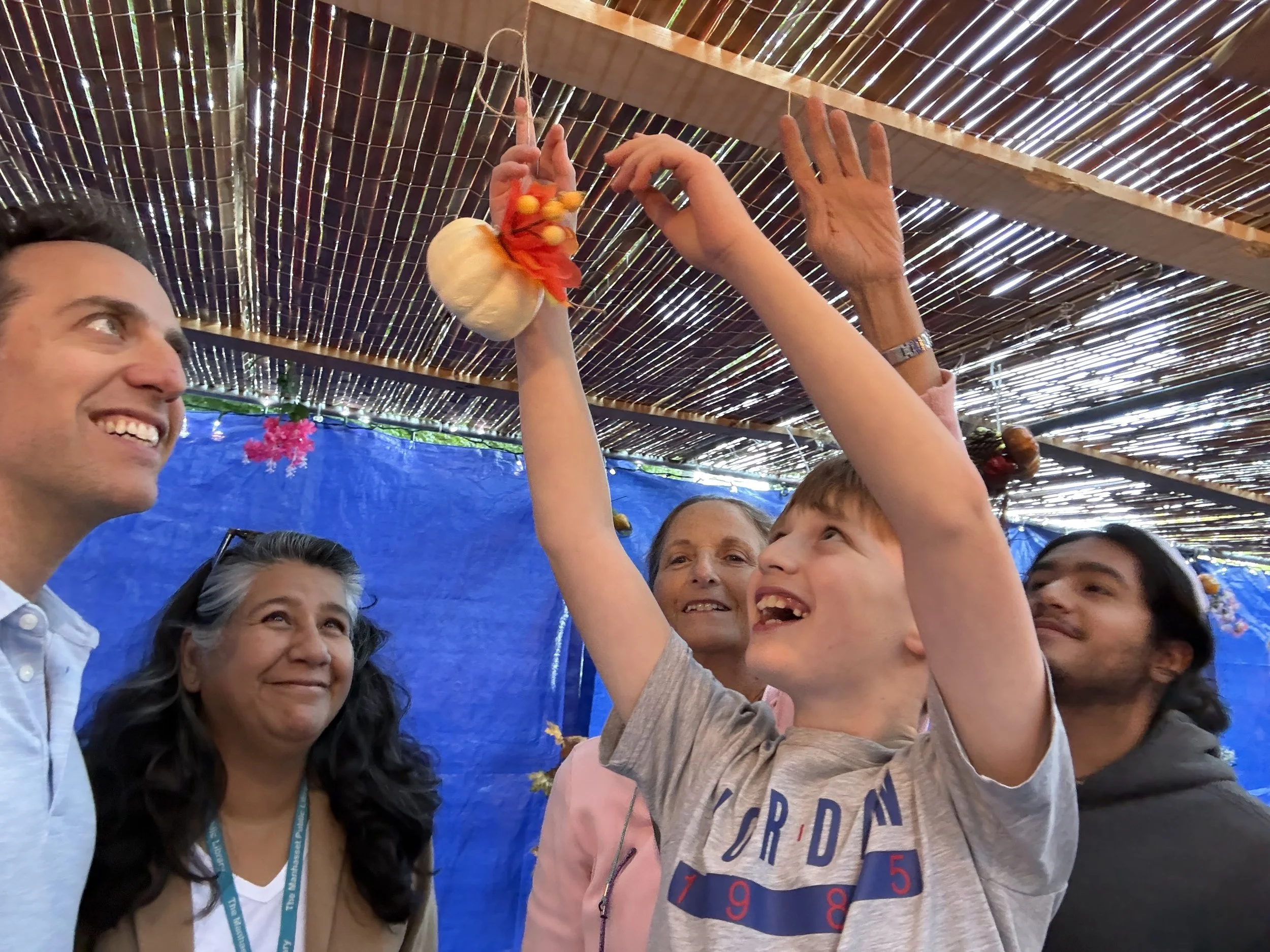
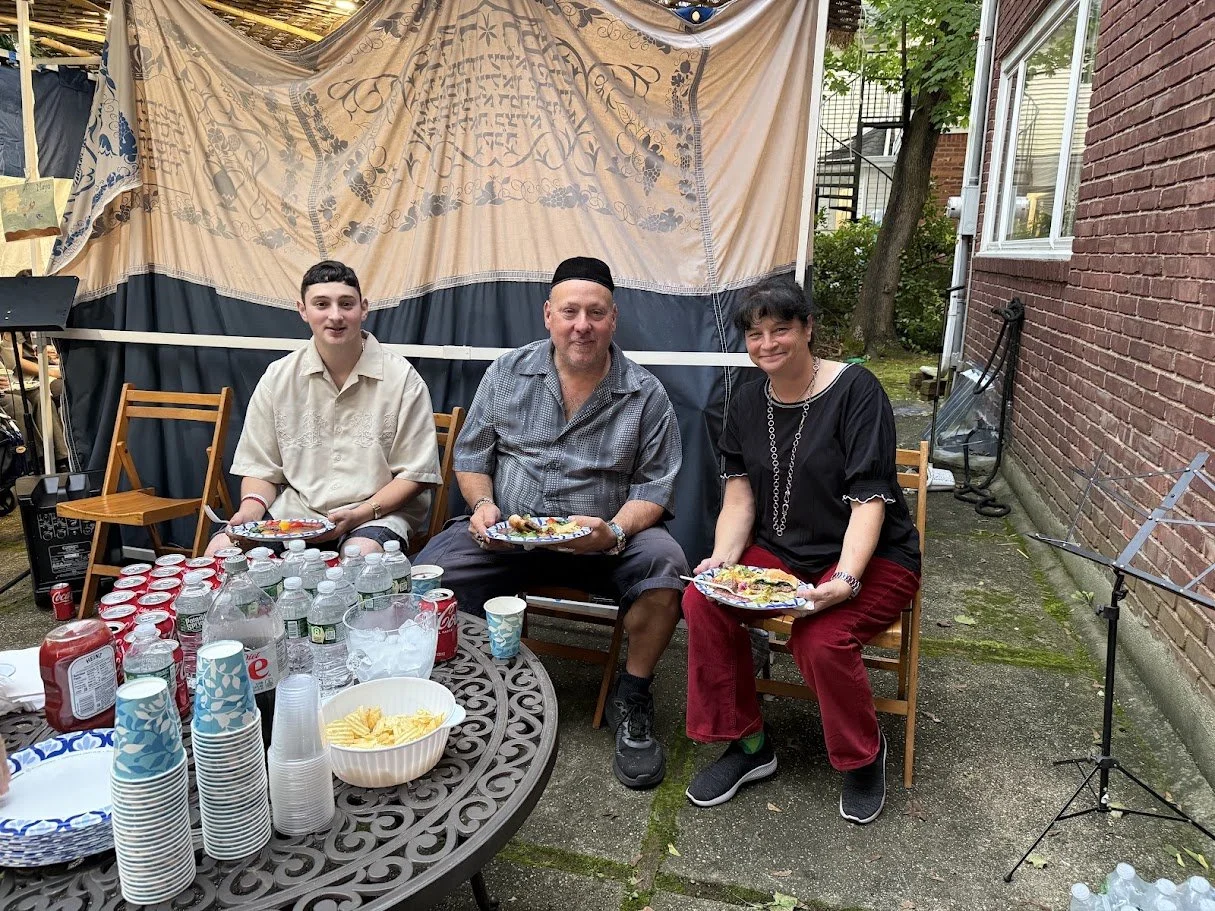
This Shabbat we celebrate the festival of סֻכּוֹת (Sukkot), entering into the season designated by our liturgy as זְמַן שִׂמְחָתֵנוּ (Z'man Simchatenu, the Season of Our Joy). When the first day of Sukkot coincides with Shabbat, the day becomes a double sanctification, Shabbat Yom Tov, weaving the sacred rest and inward peace of Shabbat into the vibrant joy of the festival.
On this second day of רֹאשׁ הַשָּׁנָה (Rosh Hashanah), we enter into the sacred culmination of the Yom Tov. In Jewish law and thought, the two days of Rosh Hashanah possess a unique status unlike any other holiday. While the second day of festivals in the Diaspora was historically instituted due to calendar doubt, the Sages established that the two days of Rosh Hashanah are considered יוֹמָא אֲרִיכְתָּא (Yoma Arichta), one single, continuous forty-eight-hour day of judgment and spiritual renewal.
On this second day of רֹאשׁ הַשָּׁנָה (Rosh Hashanah), we enter into the sacred culmination of the Yom Tov. In Jewish law and thought, the two days of Rosh Hashanah possess a unique status unlike any other holiday. While the second day of festivals in the Diaspora was historically instituted due to calendar doubt, the Sages established that the two days of Rosh Hashanah are considered יוֹמָא אֲרִיכְתָּא (Yoma Arichta), one single, continuous forty-eight-hour day of judgment and spiritual renewal.
This Shabbat coincides with the first day of רֹאשׁ הַשָּׁנָה (Rosh Hashanah), ushering in the year 5787. When the Day of Judgment falls on Shabbat, the sounding of the shofar is set aside. Instead, the quiet, inward majesty of Shabbat embraces the festival, transforming our prayers from an urgent alarm into a meditative renewal of memory, faith, and divine sovereignty.
This Shabbat we read the double portion of נִצָּבִים־וַיֵּלֶךְ (Nitzavim Vayeilech), the final Shabbat before Rosh Hashanah. In these closing moments of his life, Moshe gathers the entirety of בְּנֵי יִשְׂרָאֵל (B'nei Yisrael) to enter into the ultimate covenant with Adonai, and prepares to transfer leadership to Yehoshua.